D10 - WorkOS Saas
A workspace platform within HappyIO’s product ecosystem, designed to connect documentation, tasks, and publishable knowledge into one unified workspace.
Role
0→1 product design, PRD, competitive research, IA, MVP scoping, design system, UI testing
Team
01 Designer, 01 Developer
Timeline
12 months
Outcome & impact
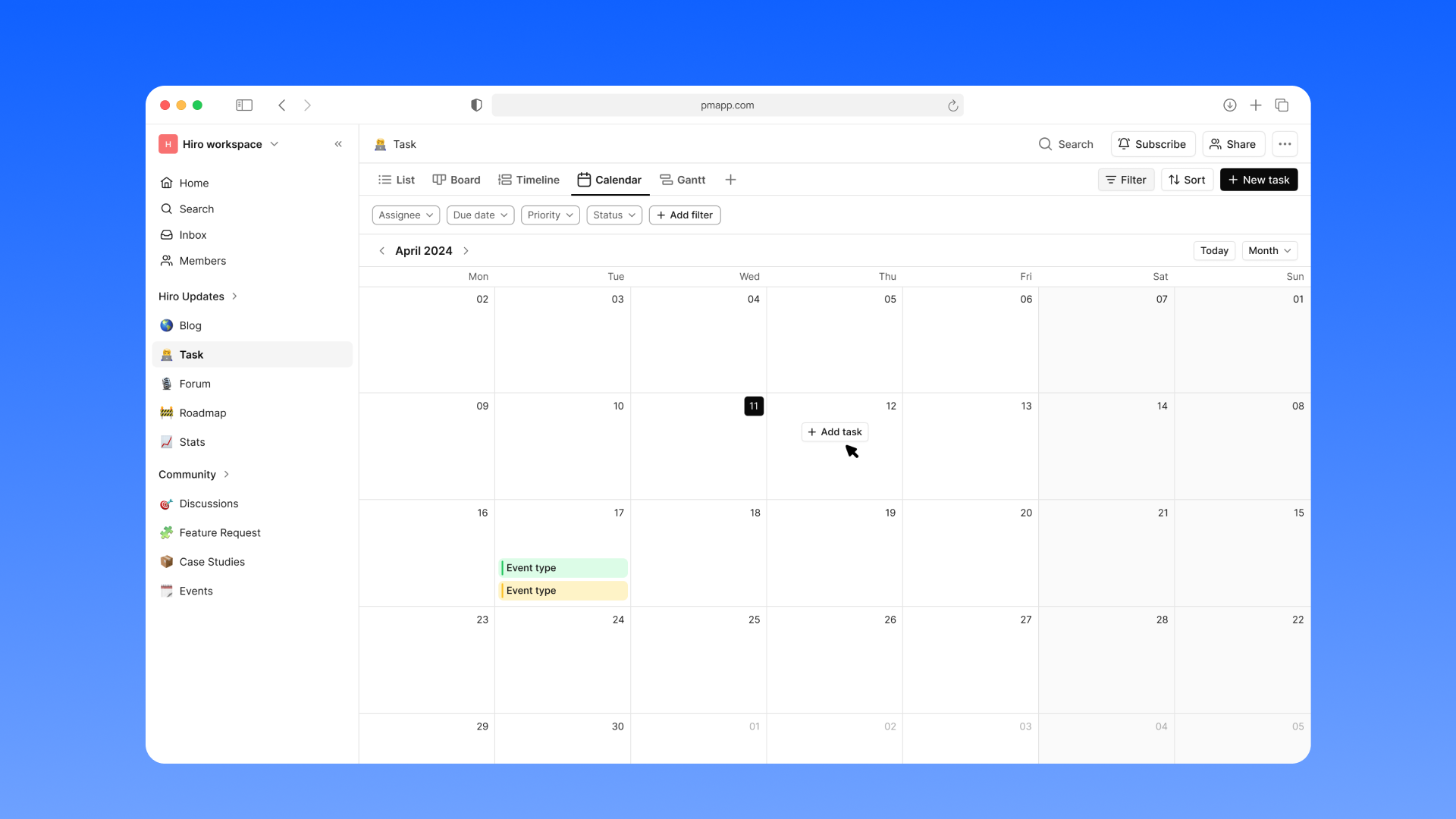
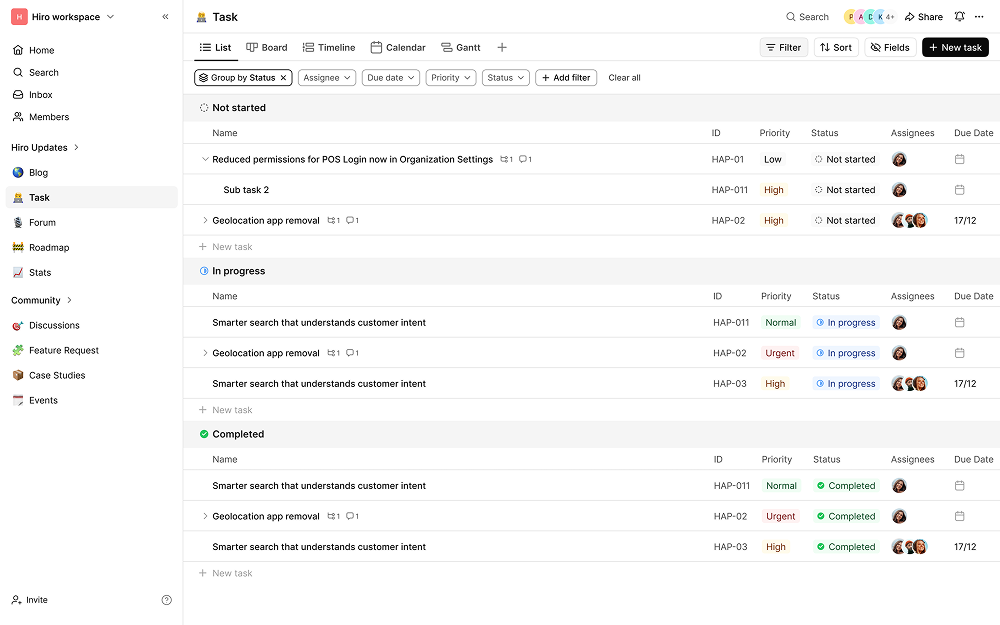
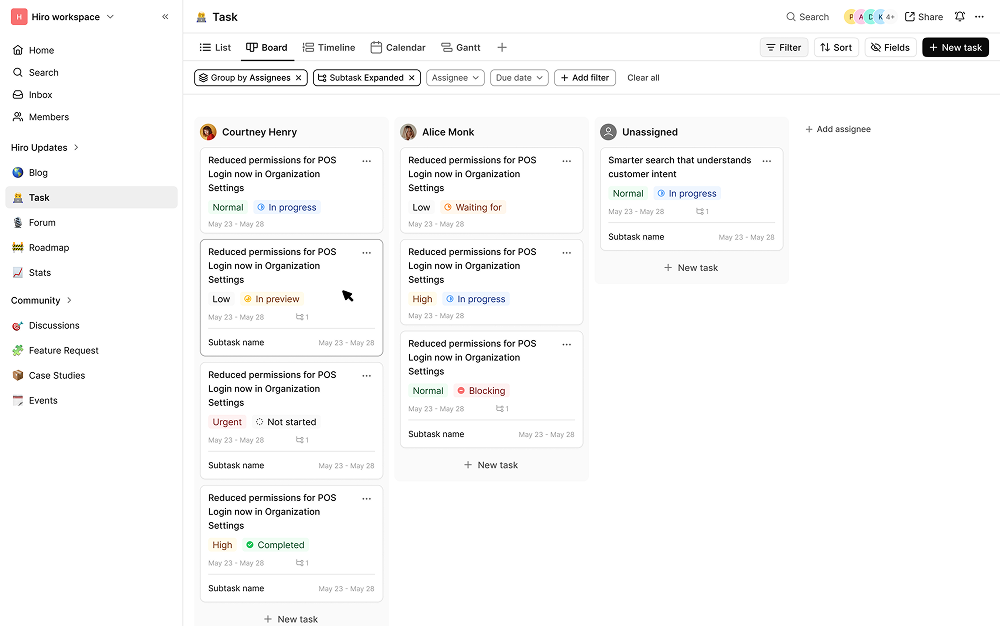
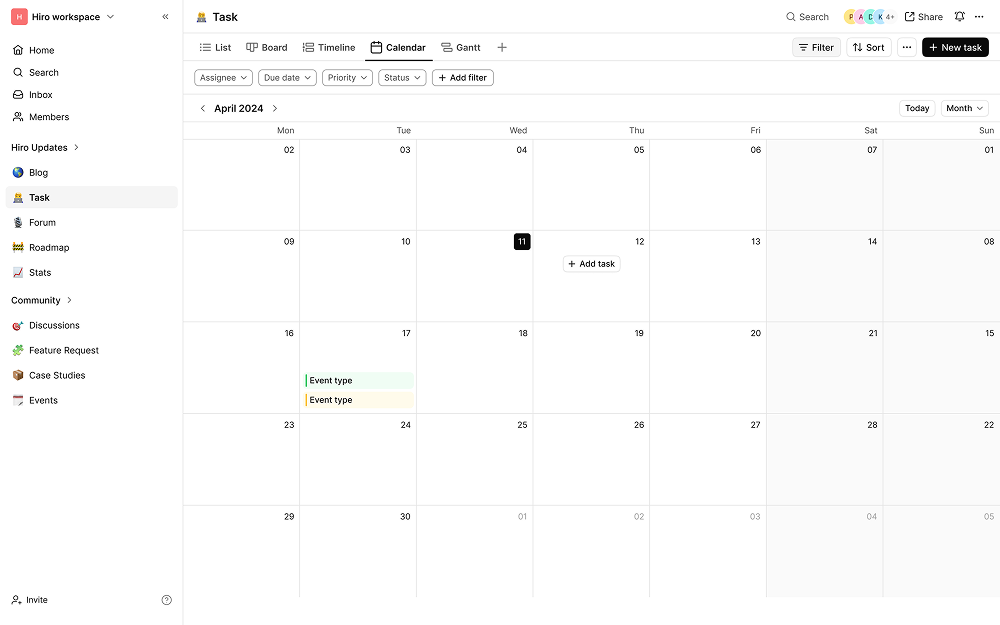
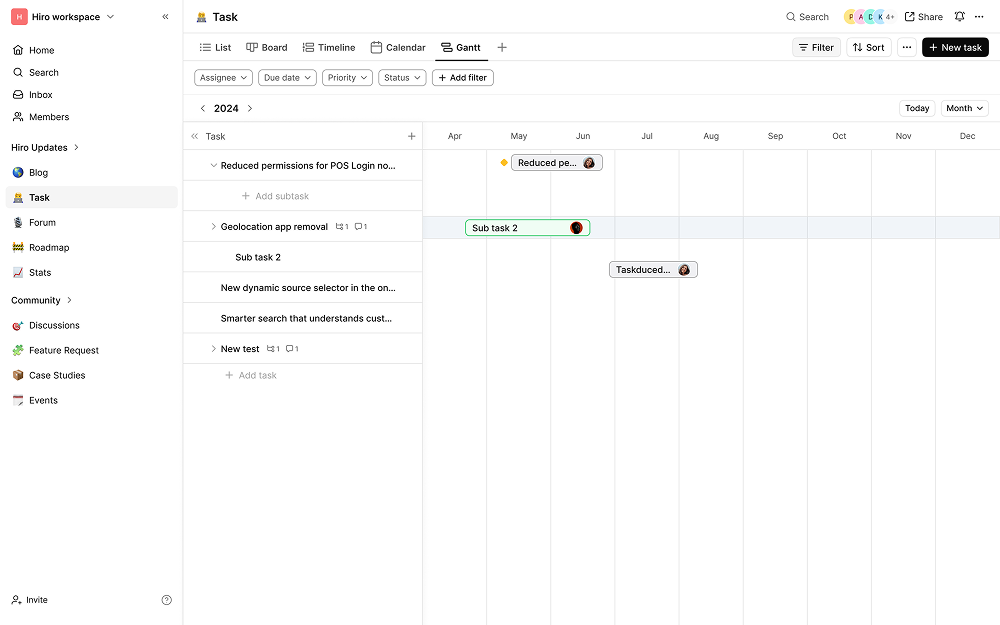
D10 reached a functional staging environment as a two-person team. Internal workspaces, publishable doc spaces, the permission system, and the core editor were all working; the full task space was designed and specified for the next build phase.
12 months
Solo design across the full product loop: PRD, research, IA, system, and UI QA
40+
Features specified for a single developer to build
5 systems
Workspaces, doc spaces, publishing, permissions, and editor live on staging
0 PMs
The PRD was the contract between design and engineering
The problem
Modern product teams rely on separate tools to document ideas, manage execution, and publish knowledge. As information moves between these systems, teams duplicate work, lose decision context, and struggle to keep documentation up to date.
Research & insight
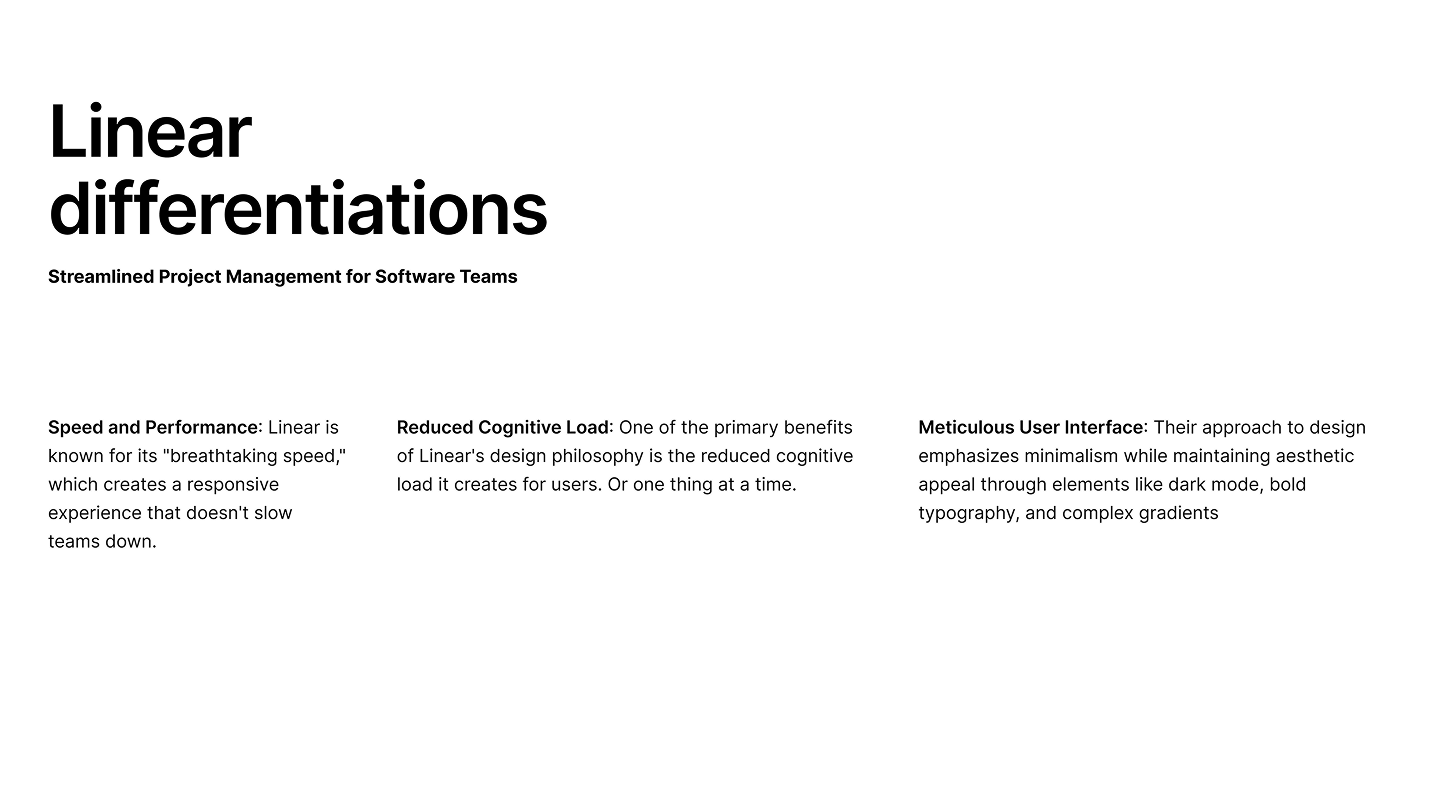
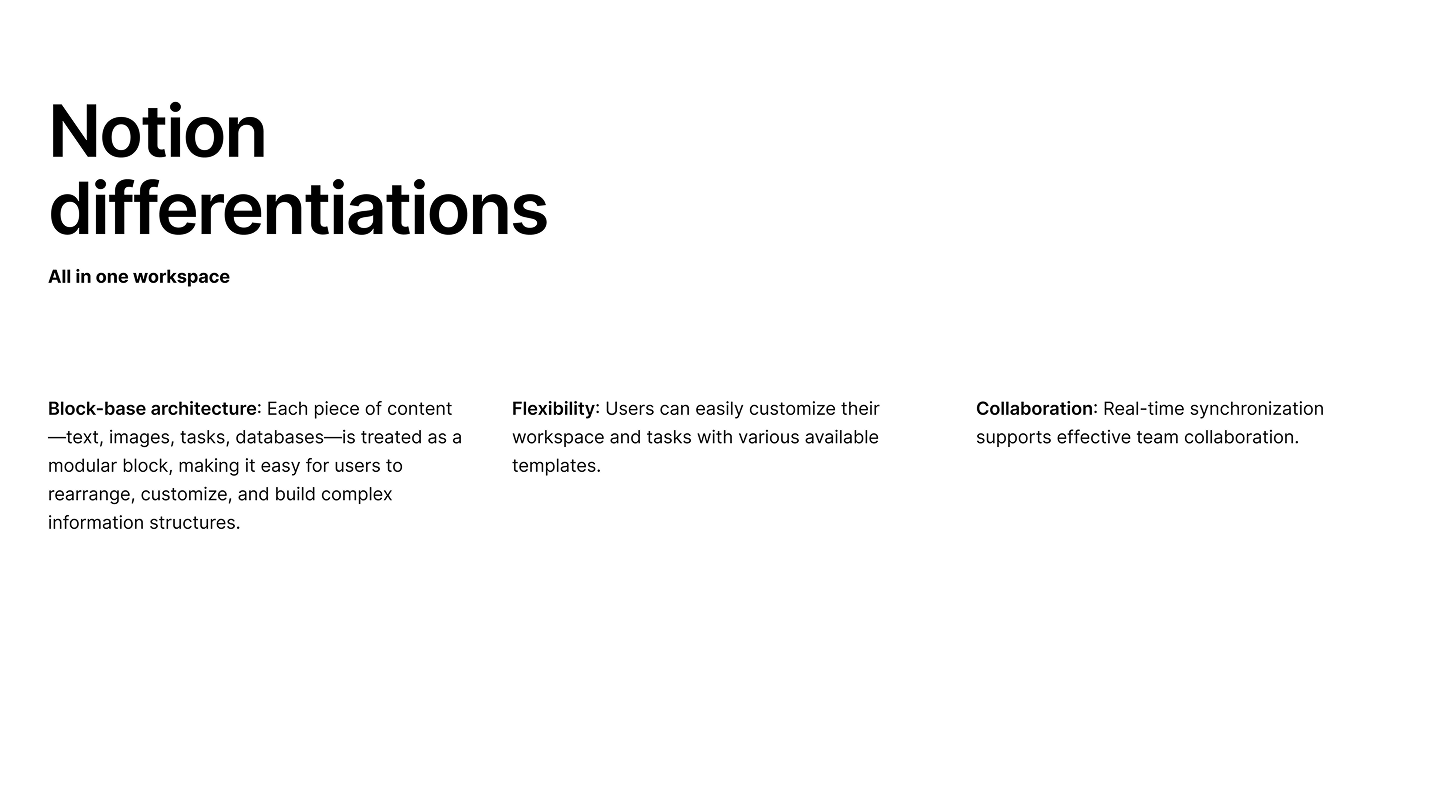
Competitive analysis showed that existing tools excelled in different areas. Notion and Coda focused on documentation, Linear on task management, and Jira, Asana, ClickUp, and Monday on project execution. Fibery came closest by connecting documents with structured entities, but the broader market still required teams to bridge documentation, execution, and publishing across separate workflows.
Key finding
The challenge was not a lack of documentation or project management tools. It was keeping documentation, structured work data, and published knowledge connected throughout the product lifecycle.
Operating as the only designer
D10 had one designer and one developer for 12 months. Every artifact on this page has a single author.
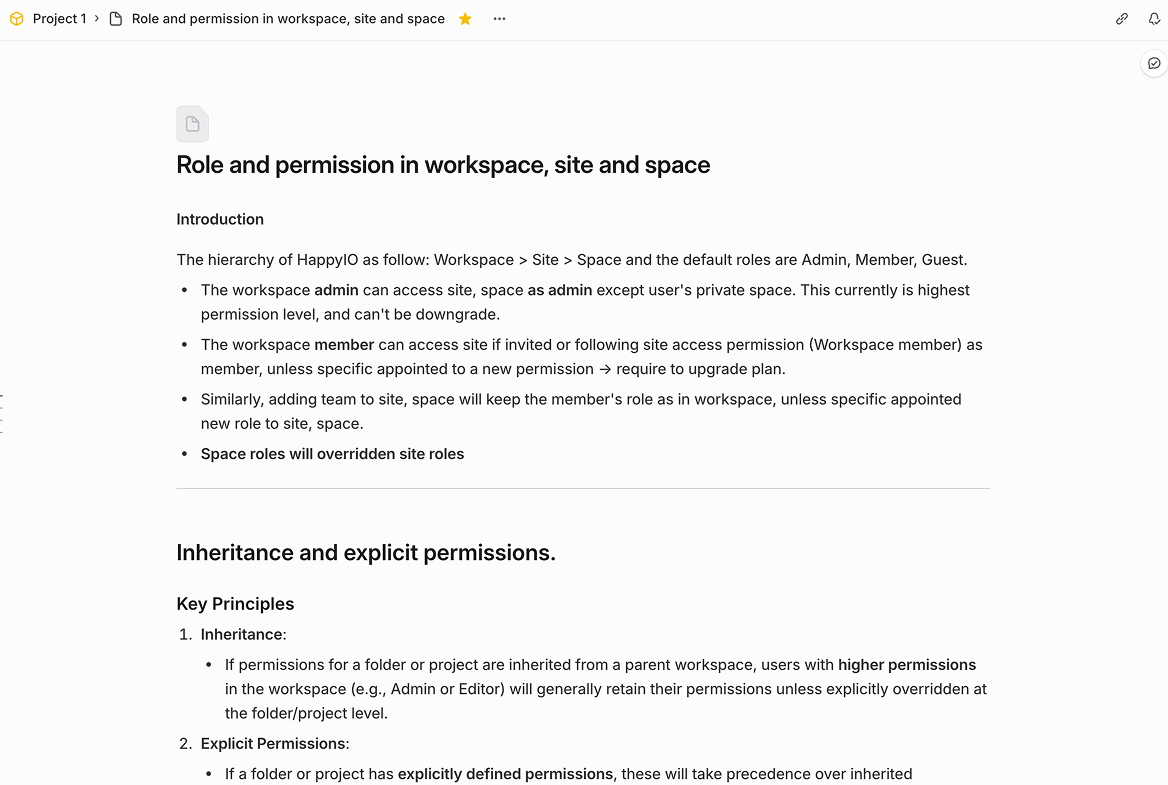
Writing the PRD. With no PM, the PRD was the contract between me and the developer. If it was ambiguous, we built the wrong thing.
Stakeholder AlignmentI presented competitor feature benchmarks and monetization insights to stakeholders, using the data to align on the project's long-term vision and strategy.
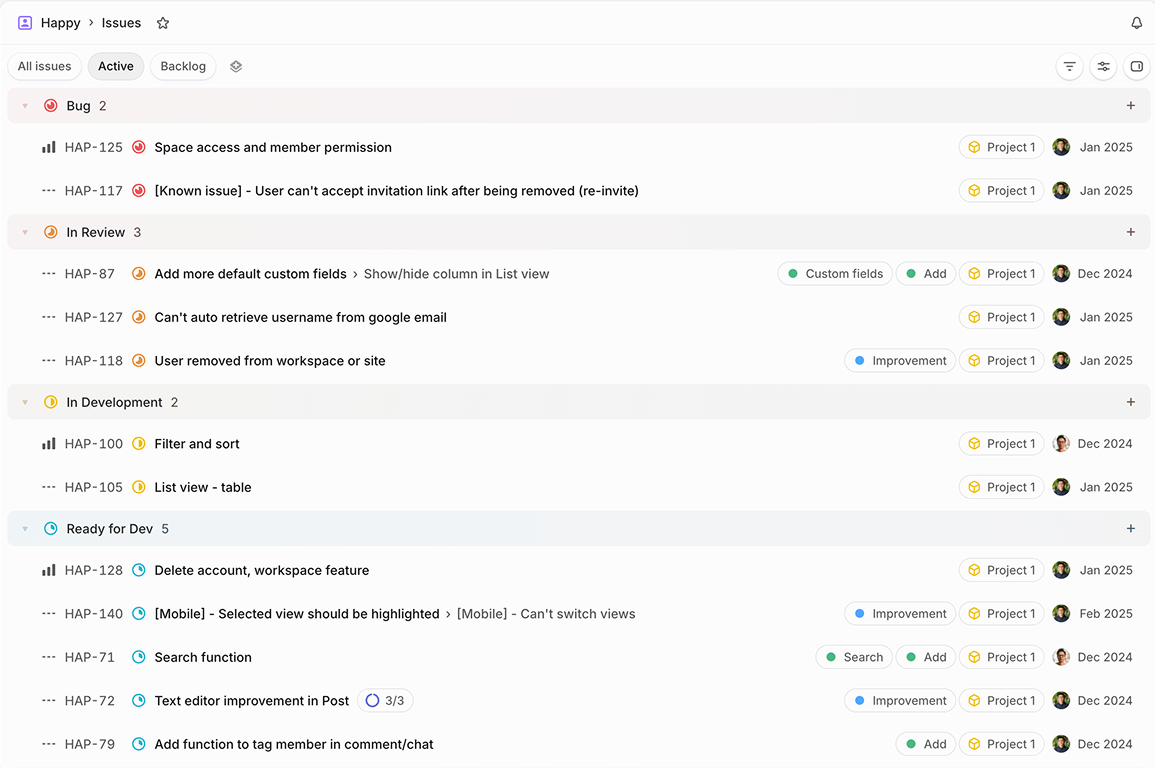
Running the board. I drove the ticketing and sprint planning in Linear alongside my developers. By syncing on the same cycles and estimates, my design tasks lived directly inside our engineering sprints rather than running upstream.
Three decisions that shaped D10
01
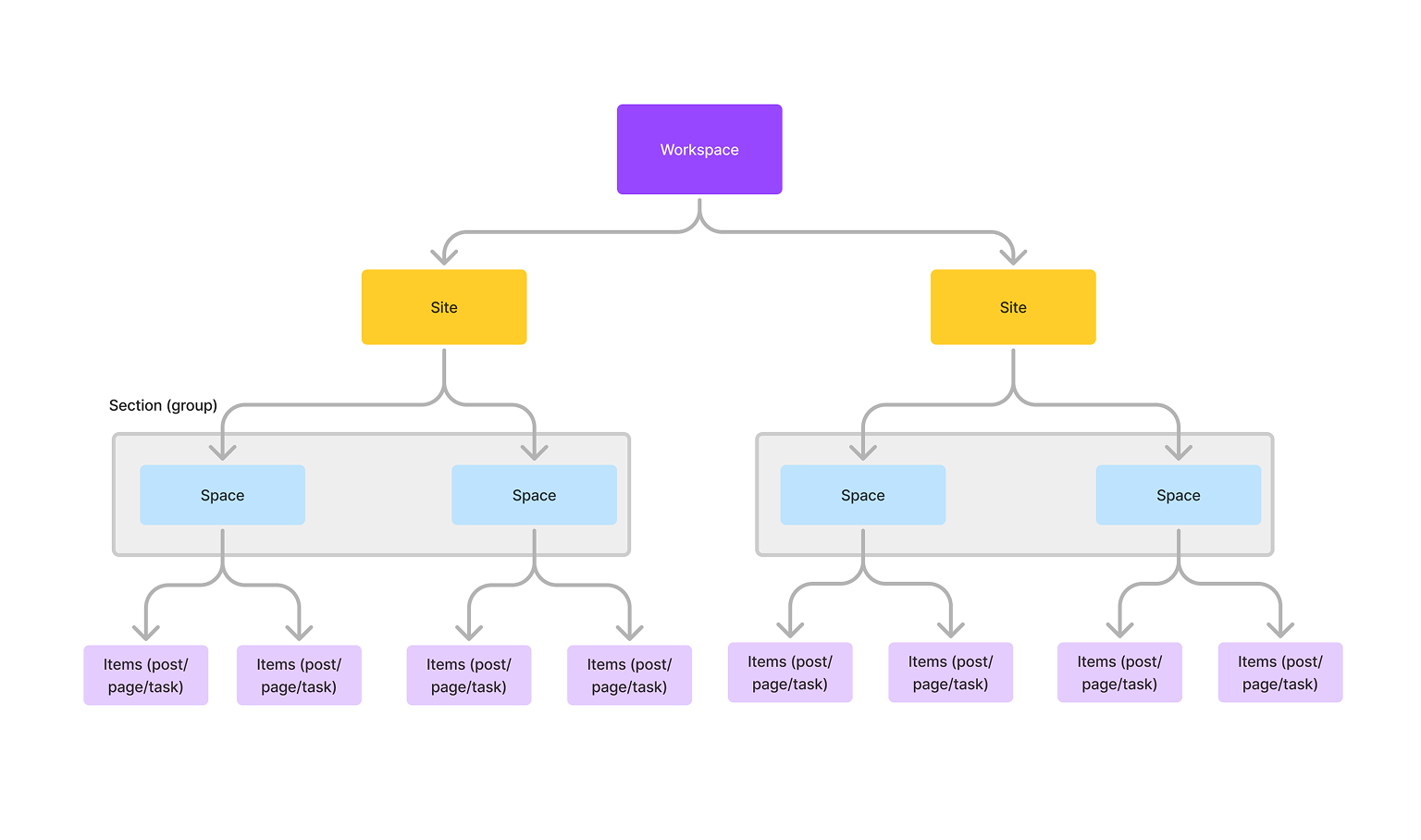
The Site layer
We introduced a "Site" concept for businesses with multiple products. Each product is either an internal or external site. This unique layer creates a clear mental model for users because everything within a site is publishable.
02
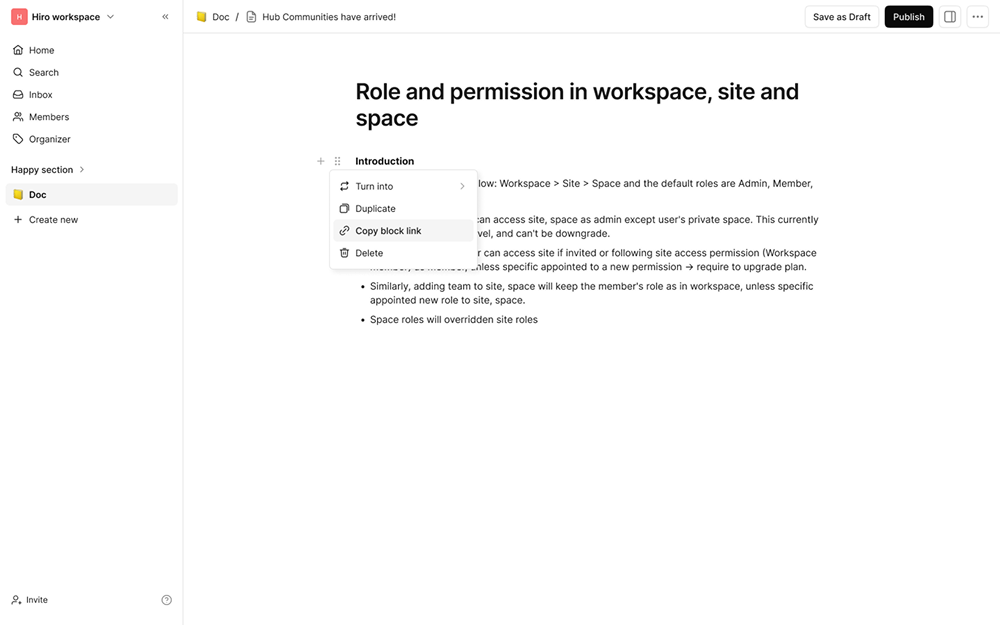
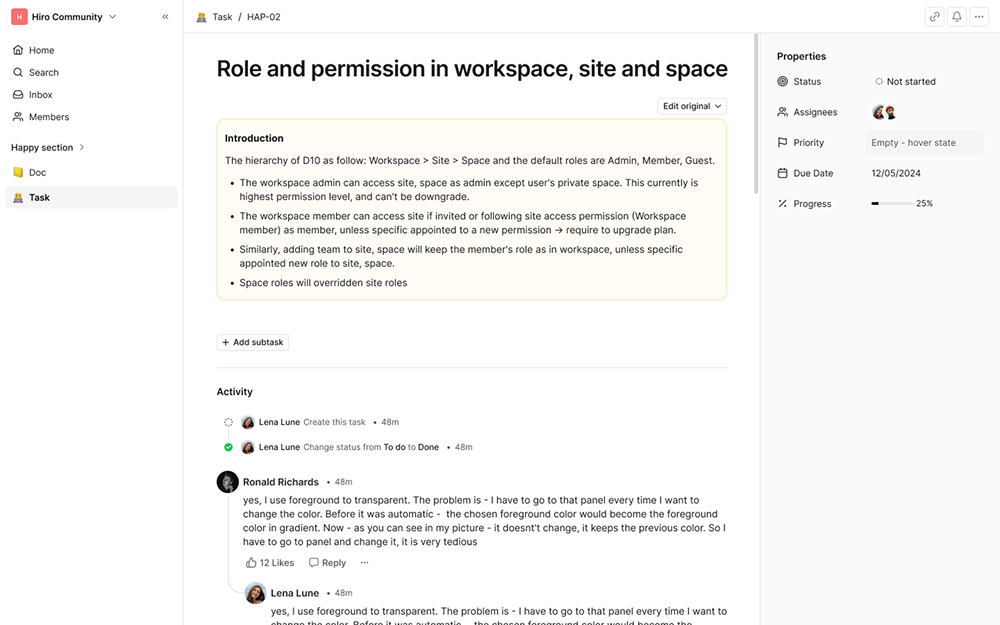
Block sync over data entities
We choose to utilize block sync than data hub because it more intuitive and easy to adapt for user, setting up the data entities in each space is something tech heavy and I would like to avoid that.
Later I see Fibery also applied sync block along with their datahub
Design
Takeaway
D10 expanded my perspective beyond interface design and taught me what it means to build a product from the ground up. As the founding designer, I shaped the product vision, defined the MVP, prioritized features, and translated ideas into a system that could be built and iterated on.